Coastal homes face significant challenges from severe weather, necessitating specialized roofing solutions. The right materials can enhance durability and resistance to harsh conditions. Options like metal, synthetic materials, and concrete tiles are essential for maintaining structural integrity. Understanding wind resistance is critical for long-term performance. Homeowners must also consider maintenance practices to guarantee longevity. The implications of these choices extend beyond immediate protection, influencing energy efficiency and property value in the long run.
Key Takeaways
- Opt for metal roofing materials like aluminum and galvanized steel for superior corrosion resistance and durability against high winds in coastal environments.
- Consider synthetic options such as PVC and TPO, which withstand salty air and UV exposure for long-lasting performance.
- Concrete and clay tiles offer robust protection and are effective in harsh weather conditions, making them ideal for coastal homes.
- Choose impact-resistant shingles to enhance safety and prevent storm damage, ensuring structural integrity during severe weather events.
- Regular maintenance, including inspections and protective coatings, is essential for preserving roofing longevity and performance in coastal areas.
Understanding the Unique Challenges of Coastal Roofing
Coastal roofing presents a unique set of challenges due to the harsh environmental conditions prevalent in these areas. High winds, salt spray, and heavy rainfall greatly impact the longevity and performance of roofing systems. The corrosive nature of salt can deteriorate traditional materials, leading to increased maintenance costs and potential structural damage. In addition, the risk of hurricanes necessitates roofing options for coastal areas that offer enhanced durability and wind resistance. Proper drainage is also critical to prevent water pooling, which can compromise the roof’s integrity. Understanding these challenges is essential for homeowners and builders alike, ensuring that they select appropriate materials and designs that not only withstand the elements but also contribute to a safe and resilient living environment.
Top Roofing Materials for Coastal Areas
When selecting roofing materials suitable for coastal areas, one must consider the specific environmental challenges that influence material performance and longevity. Options like metal roofing, particularly aluminum and galvanized steel, offer excellent resistance to corrosion and high winds, making them ideal for coastal applications. Additionally, synthetic roofing materials such as PVC and TPO provide durability against salty air and UV exposure while being lightweight. Concrete and clay tiles also present effective choices due to their inherent robustness and resistance to harsh weather conditions. Ultimately, impact-resistant shingles can provide an extra layer of security against severe storms. These roofing options for coastal areas not only enhance structural integrity but also contribute to the aesthetic appeal of homes in coastal environments.
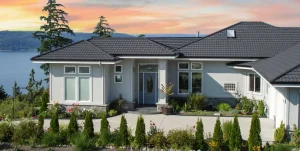
The Importance of Wind Resistance in Coastal Roofing
As severe storms frequently impact coastal regions, the significance of wind resistance in roofing cannot be overstated. Effective wind resistance is essential for protecting homes from damage caused by high winds and debris. Homeowners must consider various factors when selecting roofing options for coastal areas, ensuring that their choice can withstand extreme conditions.
- Enhanced structural integrity
- Minimization of water intrusion
- Increased lifespan of roofing materials
- Compliance with local building codes
Choosing the right roofing system with adequate wind resistance not only safeguards properties but also enhances long-term value. Coastal homeowners can foster a sense of security by investing in durable roofing options, ultimately contributing to a resilient community that thrives amid nature’s challenges.
Maintenance Tips for Coastal Roofing Systems
Maintaining roofing systems in coastal areas requires a proactive approach to guarantee durability and longevity, especially given the unique challenges posed by saltwater, humidity, and high winds. Regular inspections are essential, ideally twice a year, to identify any signs of corrosion, loose shingles, or leaks. Homeowners should verify gutters and downspouts are clear of debris, allowing for proper drainage and preventing water accumulation. Additionally, applying protective coatings specifically designed for coastal environments can enhance resistance to salt damage. It is advisable to trim overhanging branches that may cause abrasion during storms. Finally, utilizing materials that are inherently resistant to rust and decay, such as metal or specialized asphalt shingles, will contribute considerably to the effectiveness of roofing options for coastal areas.
Long-Term Benefits of Choosing the Right Roofing Options for Coastal Areas
Selecting appropriate roofing options for coastal areas yields significant long-term benefits that extend beyond immediate aesthetics or cost. These advantages contribute to the overall resilience and sustainability of homes situated in challenging climatic conditions.
- Durability: High-quality materials withstand harsh weather, reducing the need for frequent repairs.
- Energy Efficiency: Proper insulation and ventilation minimize energy costs, promoting environmental responsibility.
- Increased Property Value: Well-chosen roofs enhance aesthetic appeal and marketability, boosting resale potential.
- Safety and Security: Robust roofing systems protect against storm damage, ensuring peace of mind for homeowners.
Frequently Asked Questions
What Are the Costs Associated With Coastal Roofing Options?
Costs associated with coastal roofing options typically include materials, installation, and maintenance, which can vary considerably. Factors such as durability requirements against harsh weather and local building codes also influence overall pricing in coastal regions.
How Often Should I Inspect My Coastal Roof?
Coastal roofs should be inspected at least twice a year, ideally in spring and fall, to identify potential damage from salt exposure, high winds, and moisture, ensuring long-term integrity and performance of roofing options for coastal areas.
Can I Install Roofing Myself in Coastal Areas?
Installing roofing oneself in coastal areas is feasible but highly discouraged due to unique environmental challenges. Proper knowledge of local codes, materials, and techniques is essential to guarantee durability against harsh weather and salt corrosion.
Are There Eco-Friendly Roofing Options for Coastal Areas?
Eco-friendly roofing options for coastal areas include green roofs, solar shingles, and recycled metal materials. These solutions promote sustainability, reduce energy costs, and withstand harsh weather, making them ideal for environmentally conscious homeowners in coastal regions.
What Warranties Are Available for Coastal Roofing Materials?
Various warranties for coastal roofing materials include manufacturer warranties, which often span 20-50 years, and limited lifetime warranties that cover specific defects. Additional options may include labor warranties, ensuring installation quality over a set period.
Conclusion
In summary, selecting the appropriate roofing materials for coastal homes is vital for enduring the region’s severe weather conditions. Options such as metal, synthetic materials, and concrete tiles provide exceptional durability and wind resistance, essential for maintaining structural integrity. Regular maintenance further enhances these systems’ longevity and performance. Ultimately, investing in quality roofing not only safeguards properties against the elements but also contributes to energy efficiency and increased market value, making it a wise choice for coastal homeowners.
You May Also Like To Read: